

Updated December 1, 2025
Digital twins have become a cornerstone of modern engineering. They provide virtual replicas of physical assets that evolve with real-world data. From aerospace to energy storage, these models are transforming how industries design, test, and operate equipment.
This article explores the practical applications of digital twins in battery analytics, focusing on how they improve monitoring, maintenance, safety, and lifecycle management.
What Are Digital Twins in Battery Analytics?
A digital twin is a data-driven virtual model that mirrors the behavior and condition of a physical battery or energy storage system. Sensors feed real-time data such as voltage, temperature, and state of charge into the model.
The twin continuously updates to simulate conditions, detect issues, and forecast performance. These capabilities make digital twins a powerful tool for battery manufacturers, operators, and customers.
Real-Time Monitoring and Diagnostics
One of the most valuable practical applications of digital twins in battery analytics is real-time monitoring. By integrating sensor data, digital twins provide continuous visibility into battery performance.
Operators can spot anomalies like voltage dips or thermal hotspots before they lead to failures. This reduces downtime and improves system reliability. In sectors like e-mobility and grid energy storage, such insights are critical for safety and performance guarantees.
Predictive Maintenance and Lifecycle Forecasting
Digital twins also enable predictive maintenance. They calculate key metrics such as state of health (SoH), state of power (SoP), and round-trip efficiency (RTE). These indicators forecast degradation trends and remaining useful life.
For example, predictive models can warn operators when cells are nearing failure thresholds. This allows maintenance teams to plan interventions in advance, reducing unplanned outages and extending asset life.
McKinsey research shows predictive maintenance can lower costs by 25% and cut unexpected downtime by 50%. These numbers highlight why digital twins are gaining traction in battery operations.
Enhanced Safety in Battery Systems
Safety is a major concern in large-scale energy storage and EV applications. Digital twins improve safety by simulating stress conditions and detecting precursors to thermal runaway.
By identifying risks early, they help prevent dangerous events and improve compliance with safety regulations. This builds confidence with regulators, investors, and end users.
Improving Sales and Customer Engagement with Digital Twins
Another emerging use case is in sales and customer engagement. Digital twins allow vendors to model how a battery system will perform under specific customer conditions.
For example, they can demonstrate lifecycle cost of storage (LCOS) for different system configurations. This helps customers make informed decisions while speeding up the sales cycle.
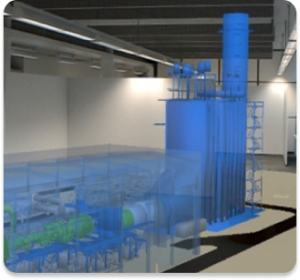
Peaxy created a digital twin based on virtual reality, that allowed stakeholders to view and tour equipment in real-time to monitor performance and accelerate innovation by identifying new products and services with reduced redesign.
Lifecycle Management and Sustainability
Digital twins support sustainability by improving lifecycle management. They connect data across design, manufacturing, operations, and recycling. This makes compliance with policies like the EU Battery Passport easier.
By tracking material usage and degradation, digital twins also improve recycling efficiency and support circular economy practices. This broadens their value beyond operations to environmental and regulatory goals.
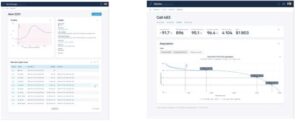
Digital twins for Peaxy customers provide technical analysis, emulation, simulation, monitoring, and CBM, enabling lifecycle maintenance for critical systems.
Conclusion: The Future of Digital Twins in Battery Analytics
The practical applications of digital twins in battery analytics extend from real-time monitoring to predictive maintenance, safety improvements, and lifecycle management. They reduce costs, improve reliability, and ensure compliance across the energy and mobility sectors.
With experience in creating digital twins for critical systems, Peaxy delivers solutions that combine data threading, lifecycle intelligence, and predictive analytics. These capabilities position digital twins as a vital tool in the future of energy storage and e-mobility.
Frequently Asked Questions
What are the practical applications of digital twins in battery analytics?
They include real-time monitoring, predictive maintenance, safety simulations, sales optimization, and lifecycle management.
How do digital twins improve battery safety?
They simulate stress conditions and detect thermal or electrical anomalies before they become critical, reducing risks of failure or fire.
What role do digital twins play in predictive maintenance?
They calculate metrics such as state of health and remaining useful life, allowing operators to schedule maintenance before issues cause downtime.
How does Peaxy use digital twins in battery analytics?
Peaxy threads data across design, operations, and recycling to deliver actionable insights that improve efficiency, compliance, and sustainability.